Written by AOS Treatment Solutions on March 6, 2018
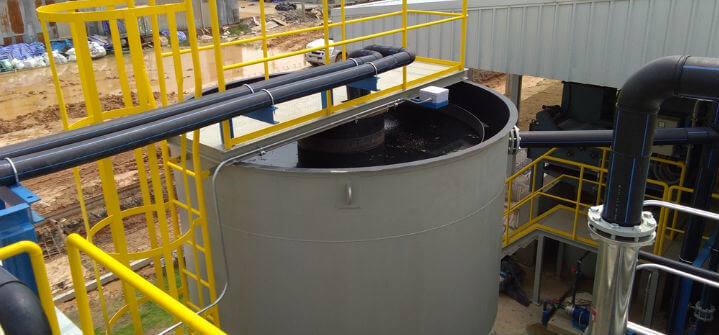
What is sludge from water treatment? Generally, it contains biosolids removed from liquid sewage. Sludge thickening is important because it is the process used in wastewater treatment centers to increase the solids concentration and decrease the free water. This step Read More
Written by AOS Treatment Solutions on March 1, 2018
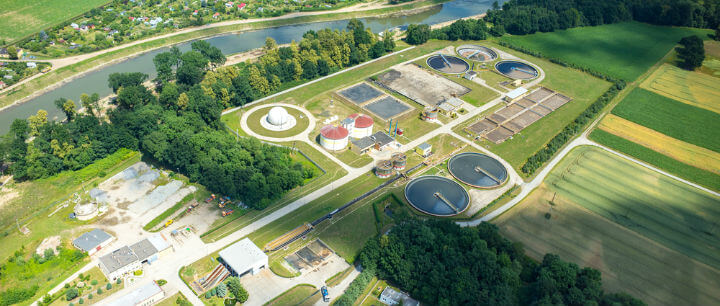
Wastewater treatment energy consumption varies considerably throughout the country. There are several reasons for this, including variations in climate, equipment efficiency, types of pollutants, and specific energy practices. There are many benefits of limiting energy use and ways you can Read More
Written by AOS Treatment Solutions on February 20, 2018
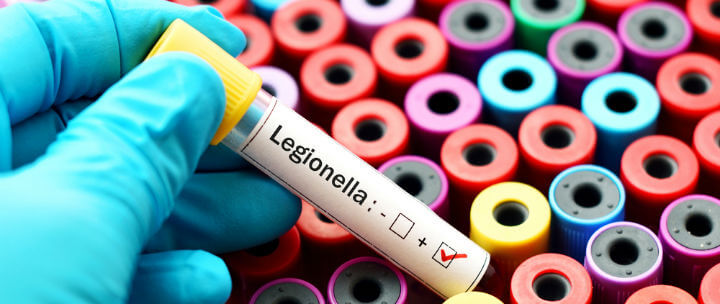
Legionella bacteria are common in water systems including low amounts in rivers and ponds. However, the gram-negative bacteria can multiply when conditions are optimal, which can lead to outbreaks of diseases such as Legionnaire's Disease. Poorly maintained water heating systems, Read More
Written by AOS Treatment Solutions on February 15, 2018
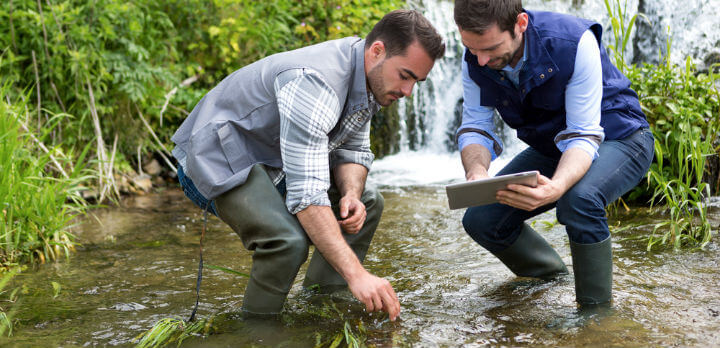
The biological content of water is measured to monitor the presence of pathogens and microbiological organisms in a municipal water supply. Harmful pathogens can enter the water supply via untreated sewage or naturally from rivers and lakes. Why Municipalities and Read More
Written by AOS Treatment Solutions on February 13, 2018
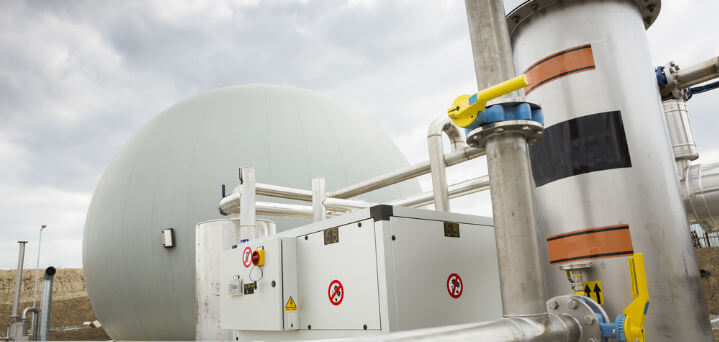
What Is Dissolved Air Flotation Water Treatment? Dissolved air flotation (DAF) is a water treatment process designed to remove oils, solids, and greases. In fact, the process helps clarify wastewaters – and other waters – by eliminating different types of suspended matter. Read More